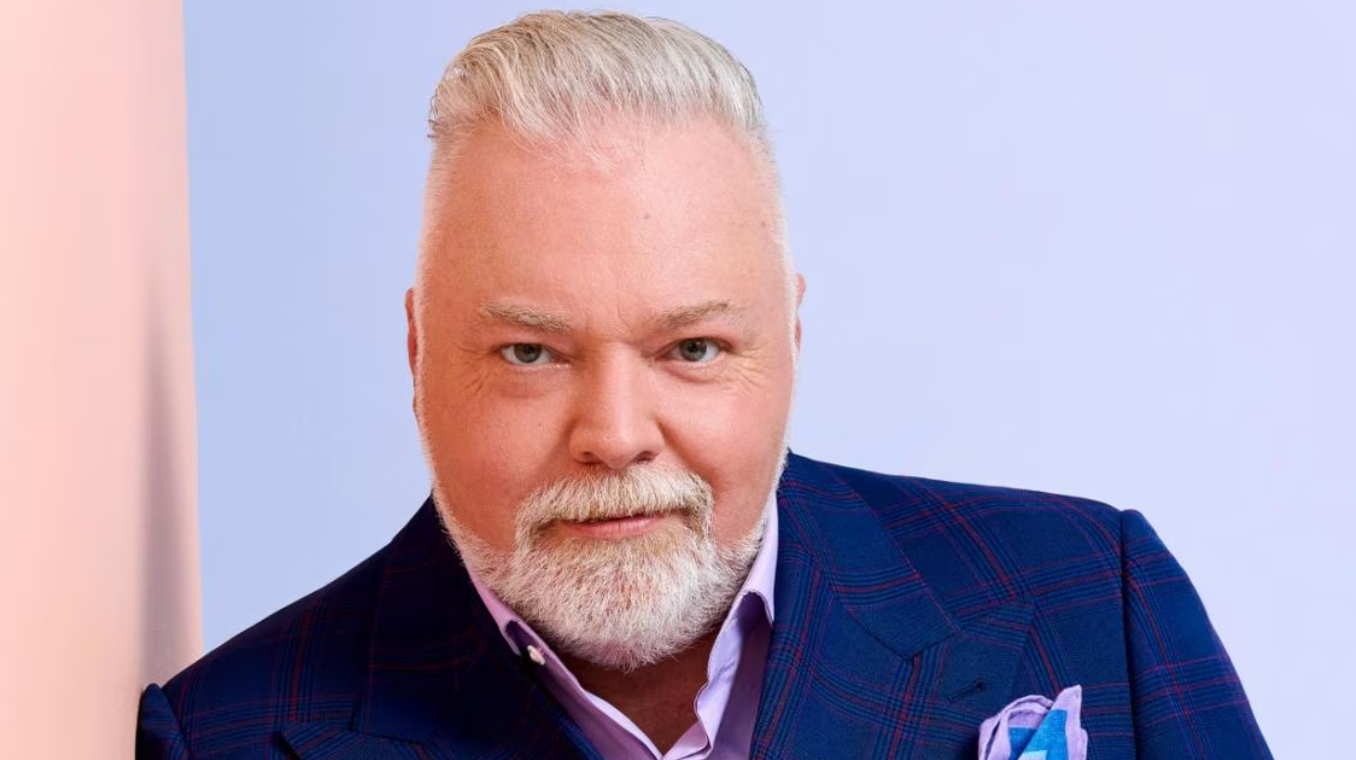
Kyle Sandilands occupies a singular position within Australian media: he is at once a dominant commercial force, a cultural disruptor, and a lightning rod for controversy. Over the course of more than two decades, Sandilands has not merely participated in the evolution of radio broadcasting—he has actively reshaped its tone, boundaries, and audience expectations.
Born in Brisbane in 1971, Sandilands’ early life was marked by instability, including family difficulties that he has later referenced as formative influences on his worldview. His unconventional path into media—beginning with minor roles in radio and television production—reflected both persistence and a willingness to operate outside traditional career trajectories. These qualities would later define his public persona: resistant to constraint, emotionally reactive, and highly attuned to audience engagement.
His rise to prominence came through “The Kyle & Jackie O Show,” a breakfast program on KIIS FM that has consistently ranked among Australia’s most listened-to radio shows. The format blends celebrity interviews, listener interactions, and highly produced segments designed to provoke emotional reactions. Unlike more conventional broadcasters, Sandilands embraces confrontation and unpredictability as core elements of entertainment.
What distinguishes Sandilands is not merely his willingness to court controversy, but his strategic use of it. His on-air persona thrives on boundary-testing commentary—often touching on sensitive topics such as politics, celebrity scandals, and social taboos. This approach has led to repeated clashes with regulatory bodies and public criticism. However, it has also cemented his relevance in an increasingly fragmented media landscape, where attention is a scarce commodity.
Sandilands’ tenure as a judge on Australian Idol further amplified his public profile. His blunt critiques and confrontational style contrasted sharply with the more polished demeanor of his fellow judges. While critics argued that his comments crossed into unnecessary harshness, supporters viewed his approach as a corrective to what they perceived as artificial positivity in talent shows.
Beyond the spectacle, Sandilands demonstrates a sophisticated understanding of audience psychology. His programming often oscillates between shock and intimacy—combining controversial statements with moments of vulnerability, humor, or emotional sincerity. This duality allows him to maintain listener loyalty even amid public backlash. In many ways, his success reflects broader shifts in media consumption, where authenticity—however abrasive—is often valued over restraint.
In recent years, Sandilands’ personal life has introduced a new dimension to his public identity. Becoming a father prompted a noticeable, though not complete, softening of his tone. While he continues to engage in provocative broadcasting, there are increasing instances of introspection and personal reflection in his content.
From a broader perspective, Sandilands’ career raises important questions about the role of media in contemporary society. He embodies the tension between freedom of expression and social responsibility, between entertainment and ethical boundaries. His enduring popularity suggests that audiences remain drawn to figures who challenge norms, even at the risk of controversy.
Ultimately, Kyle Sandilands is not merely a radio host—he is a cultural phenomenon. His influence extends beyond ratings, shaping the expectations of what modern broadcasting can—and perhaps should—be.