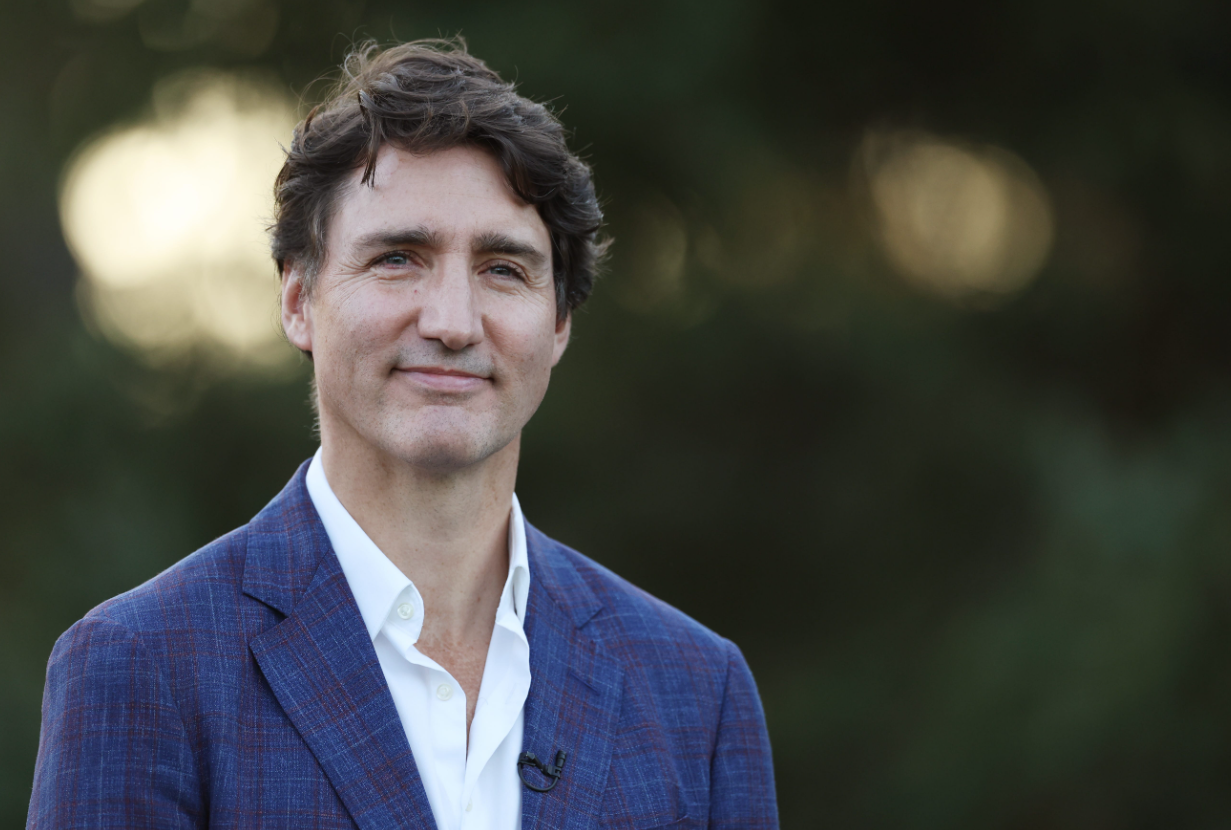
Justin Trudeau has emerged as one of the defining political figures of contemporary Western democracies, representing both the aspirations and contradictions of modern liberal leadership. His tenure as Prime Minister of Canada illustrates the challenges of governing in an era shaped by globalization, digital scrutiny, polarization, and rapidly evolving public expectations.
Political Heritage and Identity Formation
Justin Trudeau’s political identity cannot be understood without examining his lineage. As the son of Pierre Trudeau, he inherited not only a recognizable name but also a symbolic association with Canadian federalism, bilingualism, and liberal reform. However, unlike many political heirs, Trudeau’s path to leadership was not immediate nor entirely predetermined.
His early career as a teacher and public speaker allowed him to cultivate communication skills that would later become central to his political appeal. This background contributed to his ability to connect with diverse audiences, particularly younger demographics who saw in him a departure from traditional political archetypes.
The Reconstruction of the Liberal Brand
When Trudeau became leader of the Liberal Party of Canada in 2013, the party was in a period of decline. His leadership represented not merely a change in personnel but a strategic rebranding effort. He repositioned the party around themes of optimism, inclusivity, and forward-looking policy.
The 2015 election victory, in which the Liberals surged from third place to a majority government, is widely studied as a case of effective political storytelling. Trudeau’s messaging emphasized hope and national unity, contrasting sharply with the more security- and austerity-focused narratives of his opponents.
Governing in an Era of Expectations
Trudeau’s early years in office were marked by ambitious policy initiatives. His government pursued:
- A national carbon pricing framework aimed at addressing climate change
- Expanded immigration targets with a focus on humanitarian commitments
- Gender parity in cabinet appointments, framed as a statement of principle rather than symbolism
- Legalization of cannabis, a policy that redefined Canada’s global position on drug regulation
These initiatives positioned Canada as a progressive actor on the global stage. However, they also raised expectations that proved difficult to sustain over time.
The Tension Between Idealism and Pragmatism
One of the defining features of Trudeau’s leadership has been the tension between progressive rhetoric and pragmatic governance. While advocating for climate action, his government also supported pipeline projects, illustrating the complex trade-offs inherent in balancing environmental commitments with economic realities.
This duality reflects a broader challenge faced by liberal democracies: how to reconcile long-term systemic change with short-term economic pressures.
Controversies and Political Vulnerability
Trudeau’s tenure has been punctuated by several high-profile controversies, including ethics investigations and questions surrounding political interference. These events have tested public trust and reshaped his political narrative.
Critics argue that these controversies reveal inconsistencies between Trudeau’s stated values and political decision-making. Supporters, however, contend that such challenges are inevitable in high-level governance and do not negate broader policy achievements.
Media, Image, and Leadership Style
In the digital age, leadership is inseparable from media presence. Trudeau’s communication style—highly visual, emotionally resonant, and globally oriented—has made him one of the most recognizable political figures worldwide.
However, this visibility has also led to accusations of performative politics. The line between authentic engagement and strategic image management remains a subject of ongoing debate among analysts.
Global Role and Diplomatic Positioning
On the international stage, Trudeau has positioned Canada as a proponent of multilateralism and liberal democratic values. He has engaged actively in global forums, advocating for cooperation on climate, trade, and human rights.
Yet Canada’s influence, while symbolically significant, is constrained by geopolitical realities. Trudeau’s foreign policy reflects both ambition and the limitations of middle-power diplomacy.
Conclusion: A Case Study in Contemporary Leadership
Justin Trudeau’s political career serves as a case study in the complexities of modern governance. His leadership embodies the challenges of maintaining ideological coherence, managing public perception, and navigating an increasingly volatile global landscape.
Whether viewed as a transformative leader or a figure emblematic of political contradictions, Trudeau’s impact on Canada and international politics remains profound.