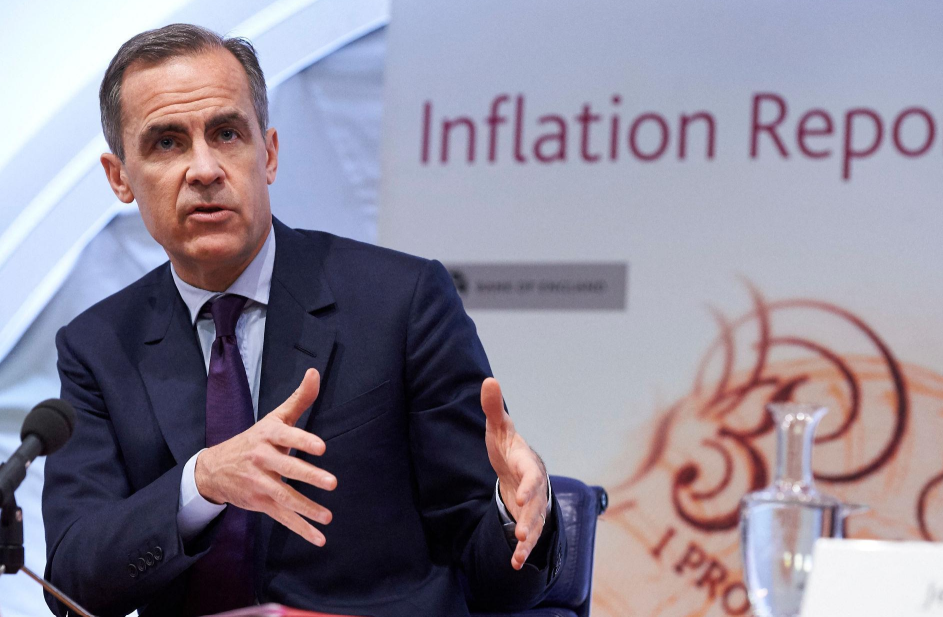
Mark Carney represents a rare synthesis of academic rigor, financial expertise, and policy innovation. His career reflects the transformation of central banking from a technical discipline into a central pillar of global economic governance.
Intellectual Foundations and Early Career
Carney’s academic journey through Harvard University and University of Oxford equipped him with a deep understanding of economic theory and its practical implications. His early work at Goldman Sachs provided firsthand exposure to the dynamics of global capital markets.
This combination of academic and private-sector experience positioned Carney uniquely for leadership roles in public institutions.
Crisis Leadership at the Bank of Canada
As Governor of the Bank of Canada during the 2008 financial crisis, Carney demonstrated decisive leadership. His approach emphasized:
- Maintaining liquidity in financial markets
- Supporting credit availability
- Communicating clearly with both markets and the public
Canada’s relative stability during the crisis enhanced Carney’s international reputation and highlighted the importance of proactive central banking.
Innovation at the Bank of England
Carney’s appointment as Governor of the Bank of England marked a historic shift, as he became the first non-British leader of the institution. His tenure coincided with significant uncertainty, including the aftermath of the global financial crisis and the economic implications of Brexit.
One of his key contributions was the use of forward guidance, a communication strategy designed to shape market expectations. This approach reflected a broader shift toward transparency in monetary policy.
Expanding the Scope of Central Banking
Perhaps Carney’s most significant contribution has been his efforts to expand the scope of central banking beyond traditional concerns. He has been a leading advocate for recognizing climate change as a systemic financial risk.
Through his work with international organizations, Carney has argued that financial systems must incorporate environmental considerations into risk assessment and investment strategies. This perspective represents a fundamental rethinking of the relationship between finance and sustainability.
The Intersection of Economics and Politics
Carney’s career also highlights the increasingly blurred line between economic policy and political decision-making. Central banks, once viewed as technocratic institutions, now play a critical role in shaping broader societal outcomes.
This shift raises important questions about accountability, independence, and the limits of technocratic governance.
Leadership Philosophy
Carney’s leadership style is characterized by analytical rigor and strategic foresight. He emphasizes long-term thinking, often challenging institutions to consider risks that extend beyond immediate economic cycles.
His ability to communicate complex ideas in accessible terms has made him an influential voice in both policy circles and public discourse.
Legacy and Future Influence
Carney’s influence continues to evolve, particularly in the context of sustainable finance and global economic reform. His work suggests that future economic leadership will require not only technical expertise but also an understanding of broader societal challenges.
Conclusion
Mark Carney’s career exemplifies the transformation of economic leadership in the 21st century. By bridging finance, policy, and sustainability, he has helped redefine the role of institutions in addressing global risks.